

The EDGE, Anywhere
Let's TalkNo Cabinet requirement
Built for extreme conditions
Unmatched thermal capability
The Edge North Star
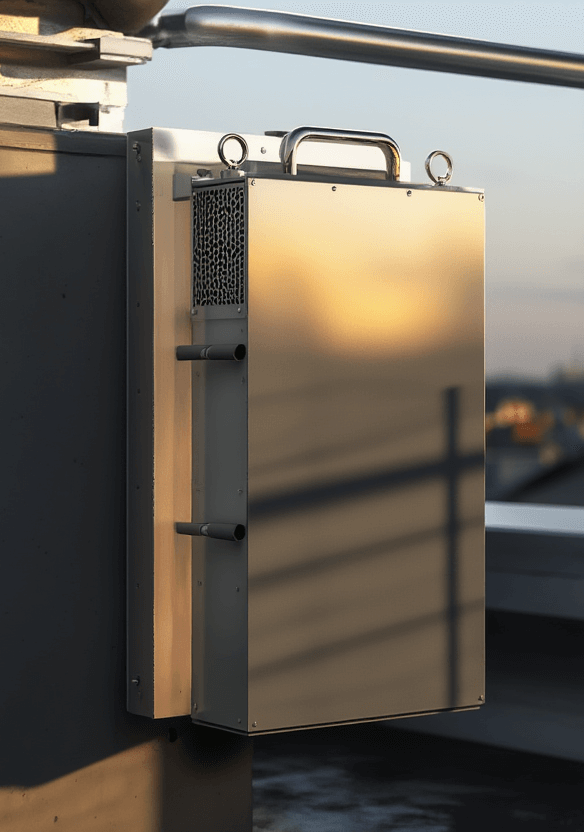
Sealed, silent, and powerful compute built for environments traditional infrastructure can’t survive. With Nexalus’ patented sealed-server and closed-loop liquid cooling, the edge is no longer fixed. It goes anywhere.
Explore how EDGE works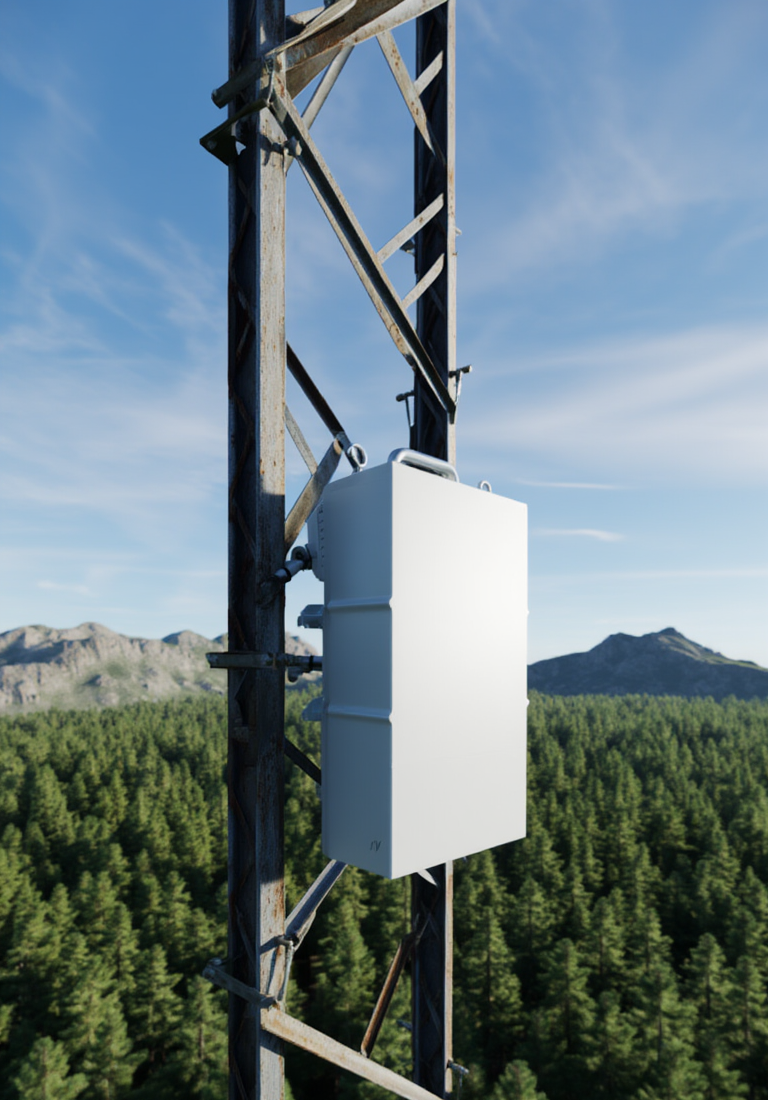
Edge computing has never lacked ambition — it has lacked environmental freedom.
The industry wants serious compute where data is generated: factories, ports, rail, renewables, and cell sites. Yet most deployments still depend on climate-controlled rooms and fragile IT environments.
That does not scale.
The Edge North Star is simple: Run data-centre-class workloads anywhere — without building a data centre around them.
Nexalus enables that shift.
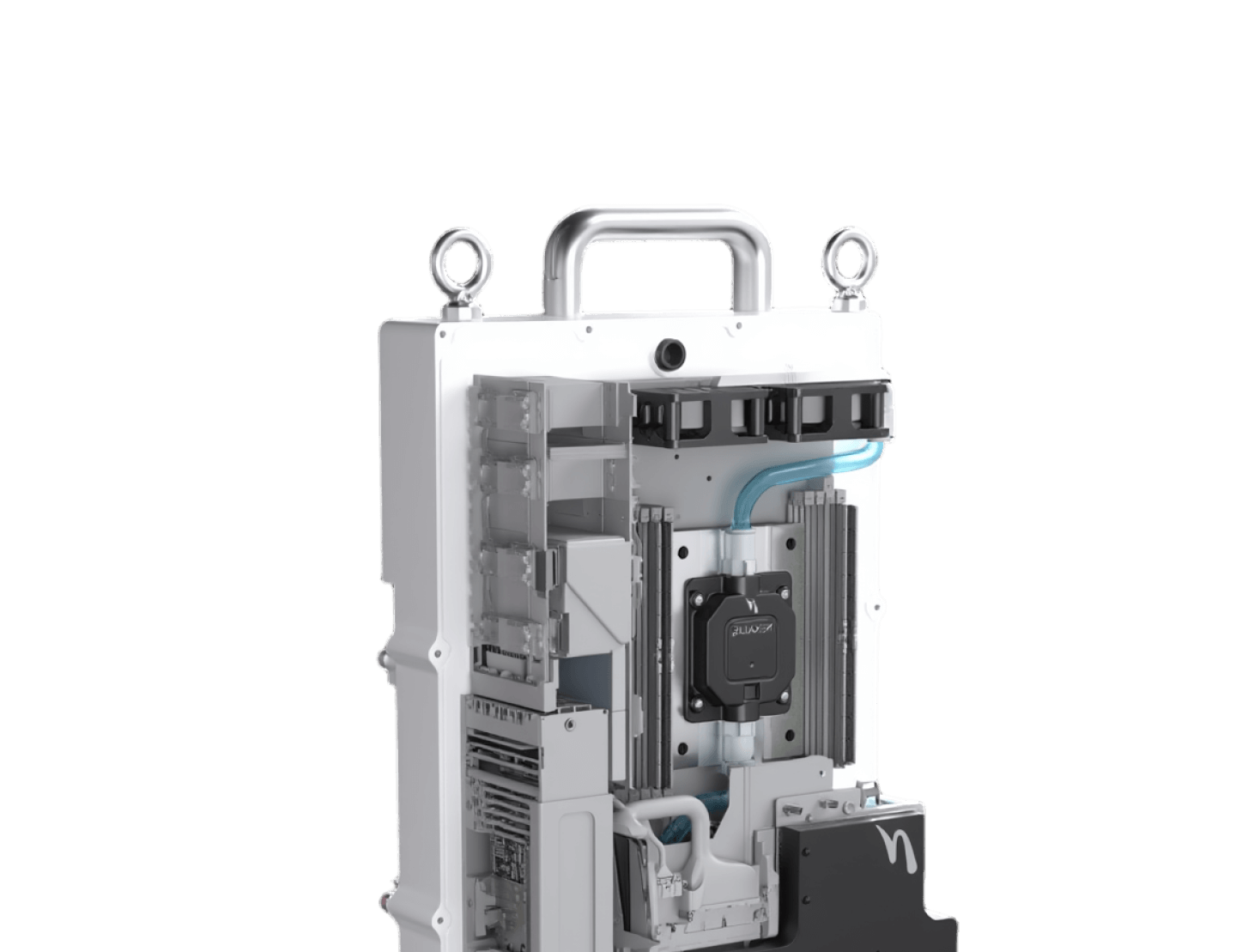
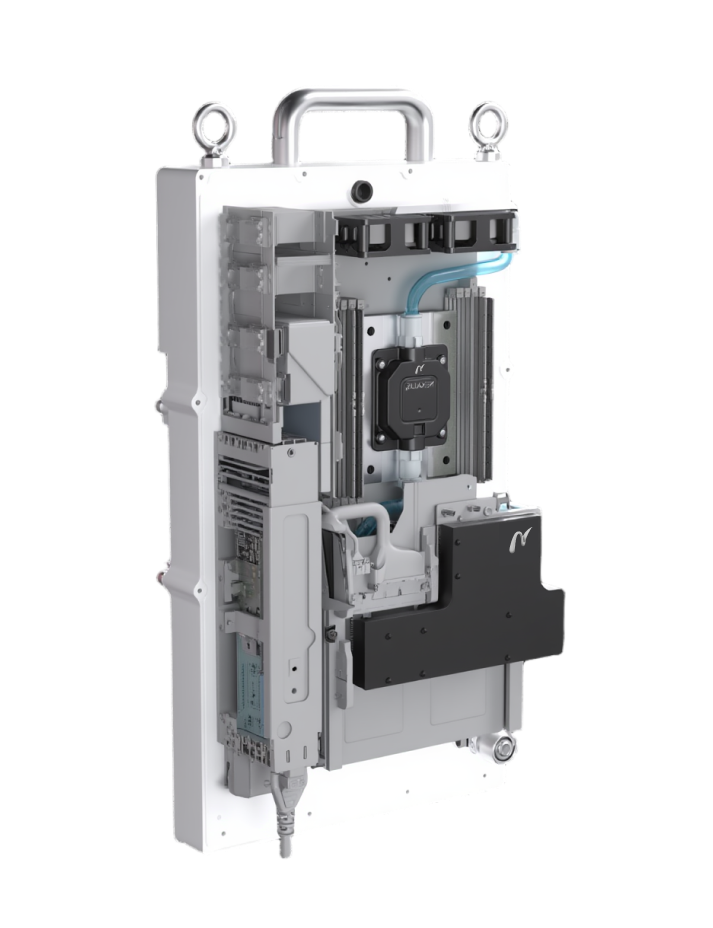
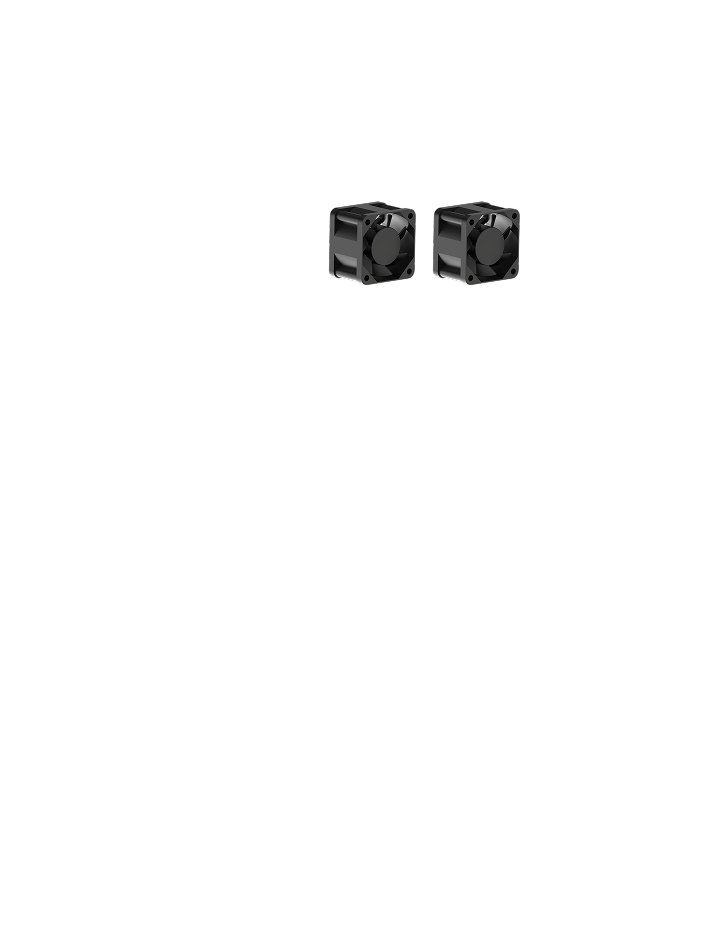
Nexalus Fans
Circulates air flow within the sealed system.
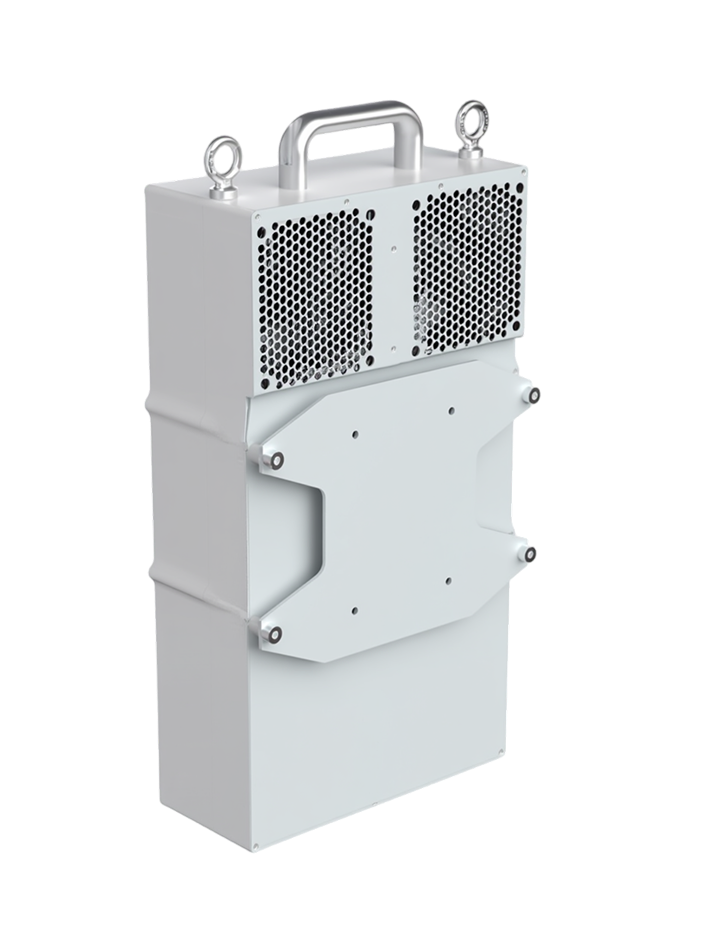
Outer Casing
A durable, sealed enclosure that limits vibration, keeps contaminants out, and protects the system across extreme environments.
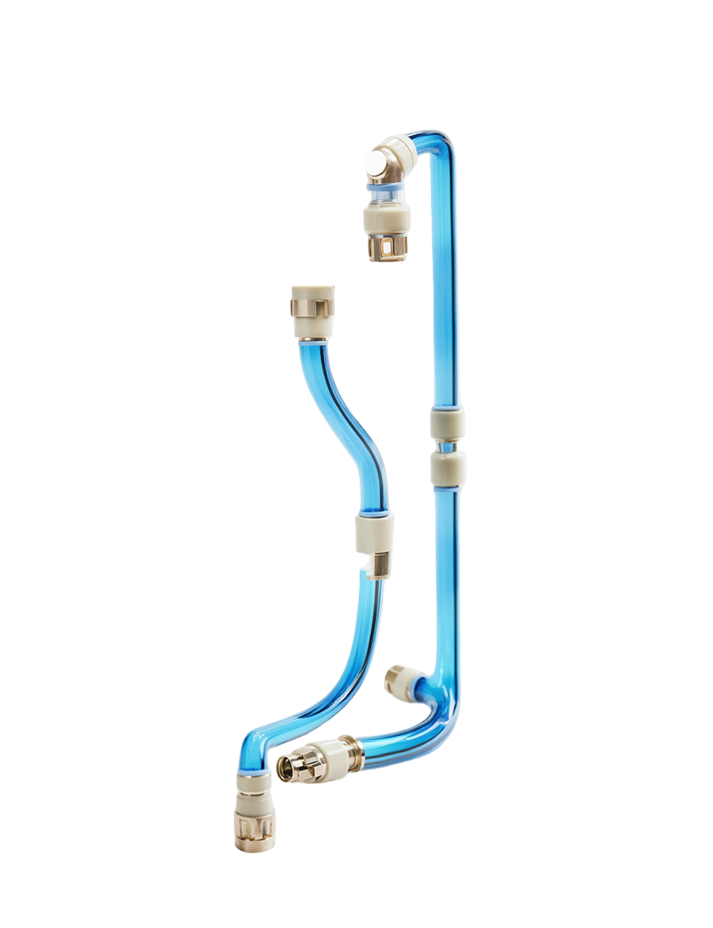
Closed Loop System
A self-contained liquid cooling circuit that continuously circulates coolant without exposure to the outside environment, ensuring reliable, low-maintenance operation and consistent thermal performance.
CPU Cold Plate
Directly cools the CPU by efficiently drawing heat away from the processor during demanding workloads.
GPU Cold Plate
Provides direct, high-capacity cooling for the GPU, supporting sustained performance under heavy processing loads.
NIC Cold Plate
Removes heat, keeping network hardware cool efficiently.
Low Pressure, High Flow, Centrifugal Pump
Aerospace grade micro pump built for reliability and longevity.
Insidethe EDGE
Tech Specs View our technical information
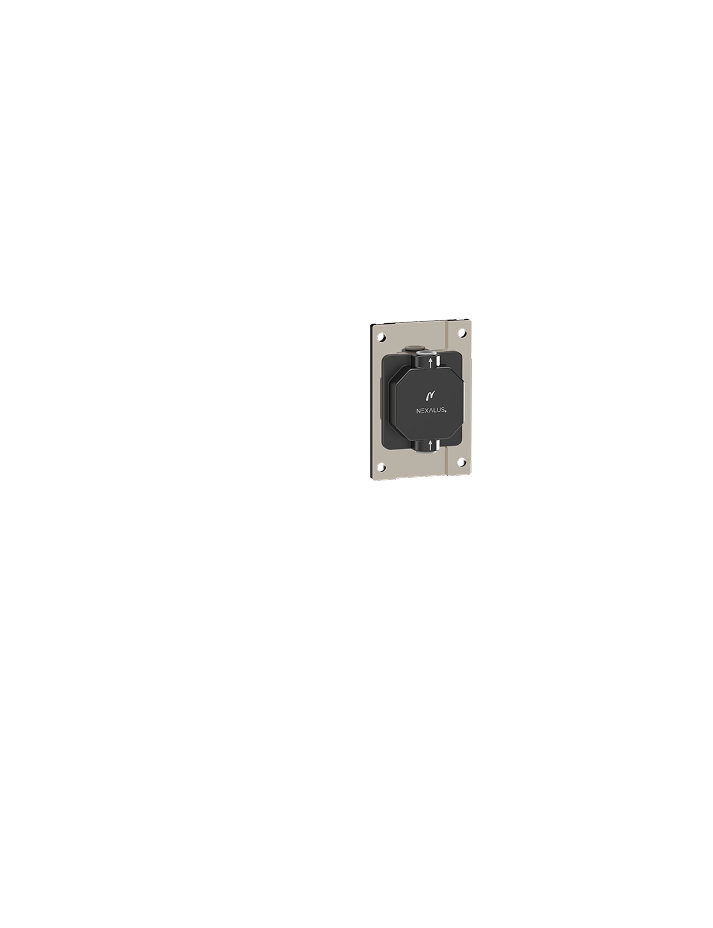

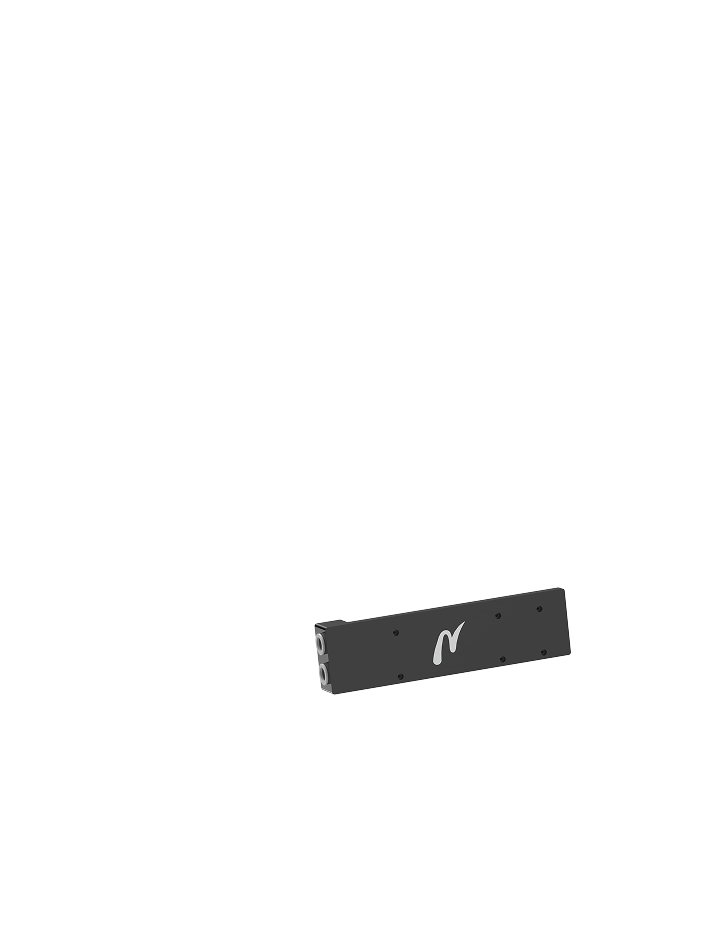

From Edge Device to Nano Data Centre
A Nano Data Centre is not a gateway or reduced server. It is a fully capable, policy-driven compute node that behaves like a cloud region at the physical edge.
It supports enterprise CPUs, meaningful memory capacity, NVMe architectures, GPU capability, and mainstream virtualisation or Kubernetes stacks. It integrates into standard security, observability, and automation frameworks.
What makes it transformative is environmental independence — engineered into the platform.
Why use the Edge Server?
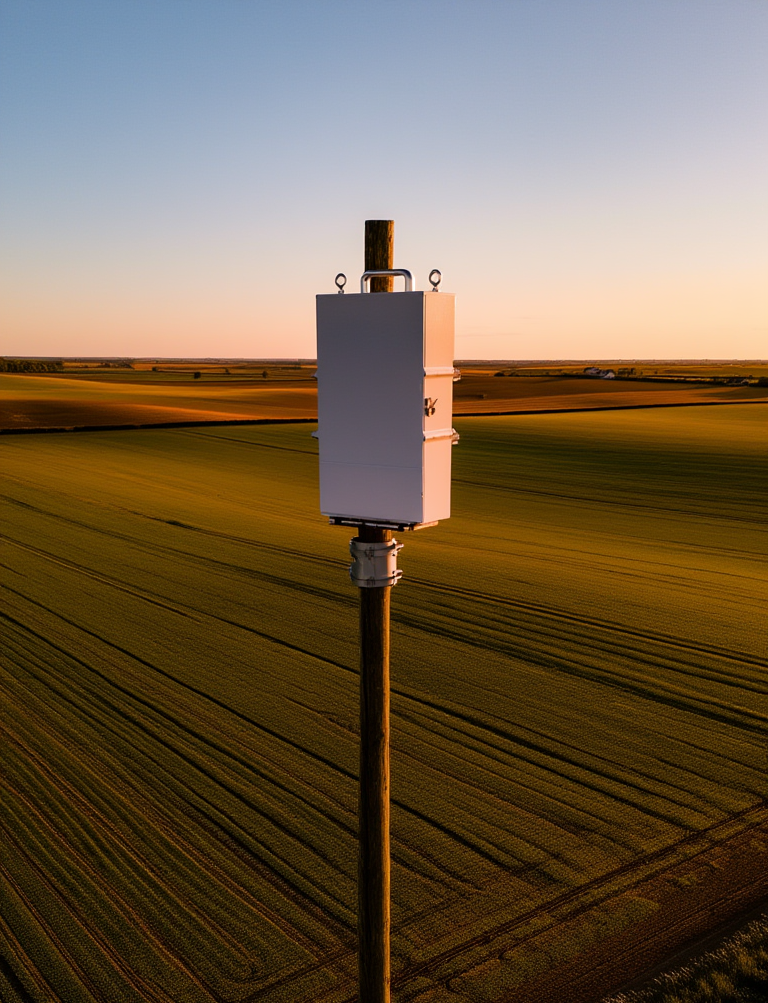
Polemounted, wallmounted, rooftop, roadside, underground, remote — Edge Server is engineered to operate in environments previously considered impossible for IT hardware.
A sealed IP66 enclosure eliminates the need for shelters, filtered air systems, or external cooling.
Nexalus enables IP66 sealed operation across -40 deg C to +55 deg C ambient including defined solar load.
Advanced thermal design and hybrid passive/active cooling can reduce cooling power consumption by over 50%.
The overall system power consumption reduces by up to 30% depending on workload and climate.
Designed to meet GR3108 Class 4 and NEBS Level 3 expectations for outdoor telecom infrastructure.
Dust, humidity, washrooms, salt air and heat are no longer deployment blockers, they are design inputs.
Built for Real-World Environments
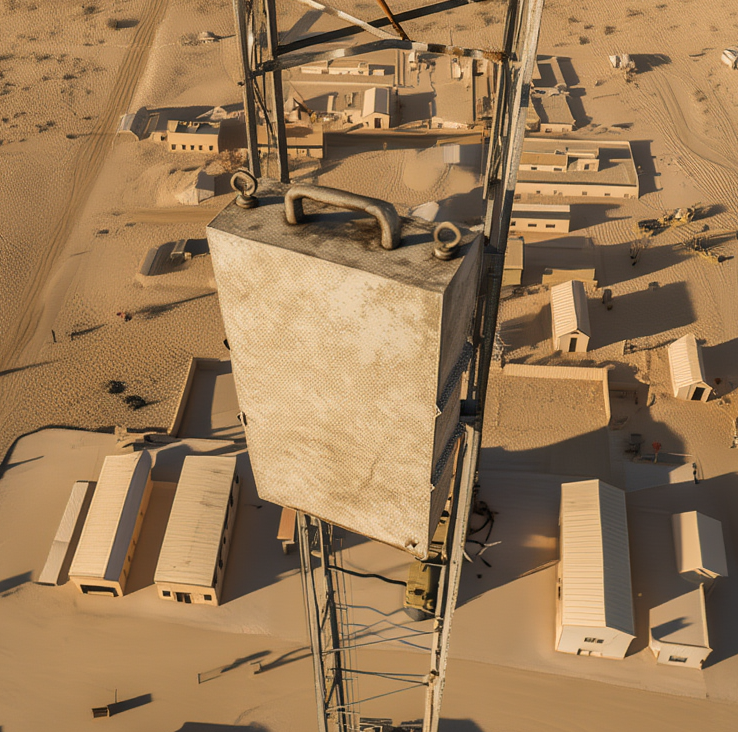
Edge infrastructure fails because of environment: dust, humidity, salt air, vibration, washdowns, and sustained thermal extremes. Nexalus designs for these from the outset.
Its proprietary thermal architecture enables fully sealed, IP66-rated operation across –40°C to +55°C without external HVAC or controlled rooms. From Arctic to desert deployments, performance remains continuous and deterministic. Environmental stressors are not obstacles — they are design inputs.
By embedding cooling and isolation within the compute envelope, performance is decoupled from climate, sustaining high-density workloads without derating. This is engineered environmental independence.
This is not ruggedisation. It is engineered environmental independence.
Expanding the Deployable Footprint
Without mandatory climate control, compute can operate in industrial and logistics facilities, roadside and rail infrastructure, coastal and high-heat regions, telecom enclosures and rooftops, and energy or utility sites. The proportion of locations capable of hosting revenue-grade compute expands dramatically.
Reliability as an Operational Advantage
In distributed environments, failure equals cost.
Sealed architecture and sustained thermal stability reduce environmental MTBF impact and improve predictability, while plug-and-replace servicing lowers field complexity. Reliability becomes a multiplier.
Telecommunications Multi-Access Edge Computing (MEC)
MEC embeds cloud capability within operator infrastructure — at cell sites, aggregation nodes, and central offices — enabling low latency, local breakout, reduced backhaul strain, greater resilience, and new service models.
The network evolves from transport layer to distributed cloud.
Benefits at a glance:

Wind driven rain and storm rated

Shock, vibration, and earthquake tested

Lightweight and compact: <18 kg, <16 L volume

Operates from -40°C to +55°C, 95% humidity

Fully sealed IP66 enclosure (dust tight, waterproof)

Salt fog and corrosion resistant for coastal deployments
The Telco Edge North Star
For telecom operators, the objective is clear: cloud economics and carrier reliability delivered at the cell site.
Success means thousands of distributed locations operating as one policy-driven region — delivering deterministic latency and controlled opex.
Most cell sites were never designed for high-density compute. HVAC retrofits are costly and thermal limits restrict workloads.
Nexalus removes that constraint.
Turning RAN Footprint into Revenue
With IP66 sealed performance across –40°C to +55°C, MEC moves directly into outdoor cabinets, rooftops, coastal, and high-heat environments, close to the radio network
This enables true proximity workloads, sustained GPU-class compute, local breakout, content caching, private networks, and greater tenant density per site.
The question shifts from “Can this site host MEC?” to “How much revenue can it generate?
The Strategic Shift
Nexalus is not only selling cooling;
We deliver deployable compute infrastructure enabled by thermal architecture.
That is the Edge North Star.
Our Partners

Alps Alpine

Irish Manufacturing Research

Connect

Trinity College Dublin (TCD)