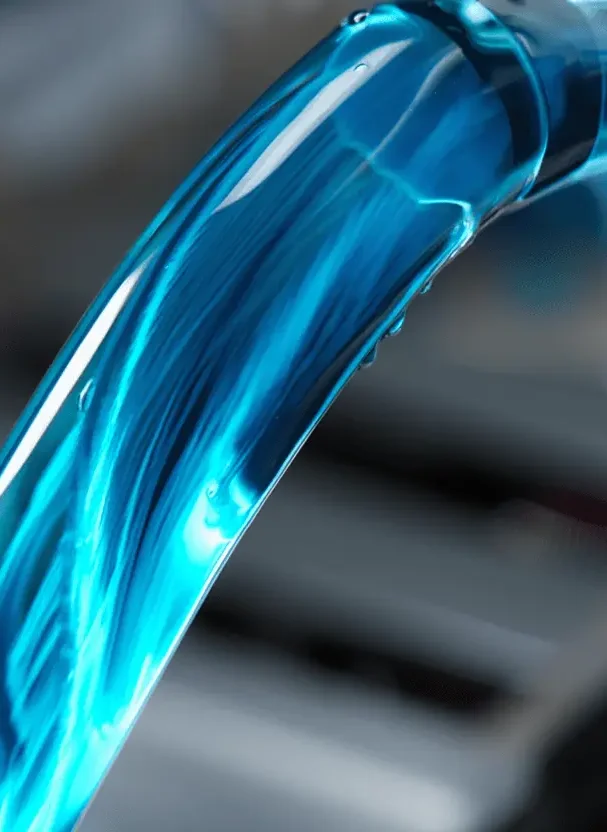

Liquid-Cooled Data Centers
Let's Talk90% Reduction
of mechanical cooling requirements
30% Reduction
in total power consumption
Next-Generation Liquid-Cooled Data Centers
Research & DevelopmentNexalus rethinks thermal management at its point of origin.
Traditional data centers treat cooling as a building-scale problem.
Air is moved through halls, across racks, and around servers in an effort to extract heat after it has already dispersed. This requires extensive mechanical plant, large service voids, airflow management systems, and constant balancing between temperature, pressure, and noise constraints.
Nexalus moves the thermal boundary inward — directly into the server.
By embedding liquid cooling and containment at compute level, the infrastructure layer is simplified, stabilised, and made inherently more efficient. The result is a sealed, self-contained compute platform that removes airflow as a dependency and captures heat at source.
TheTechnology
The Nexalus Technology...
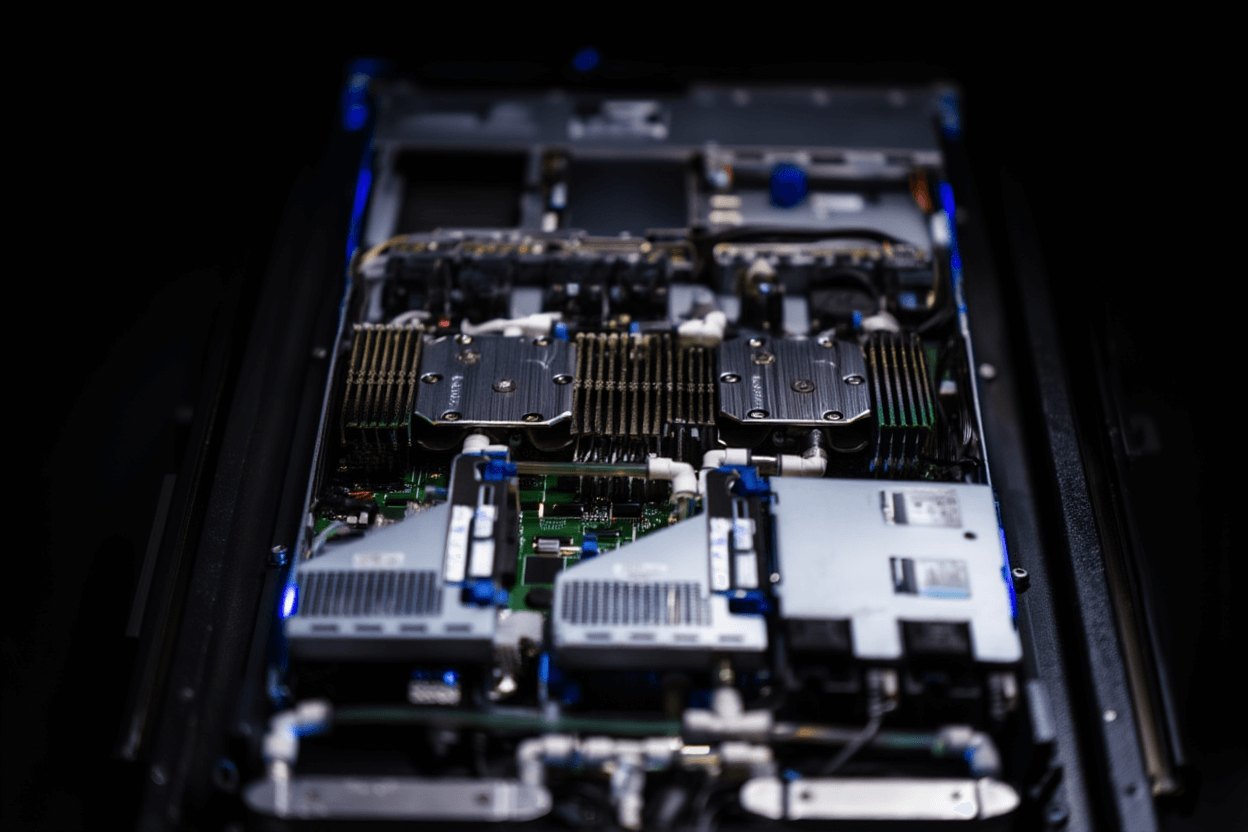
A Sealed Compute Architecture
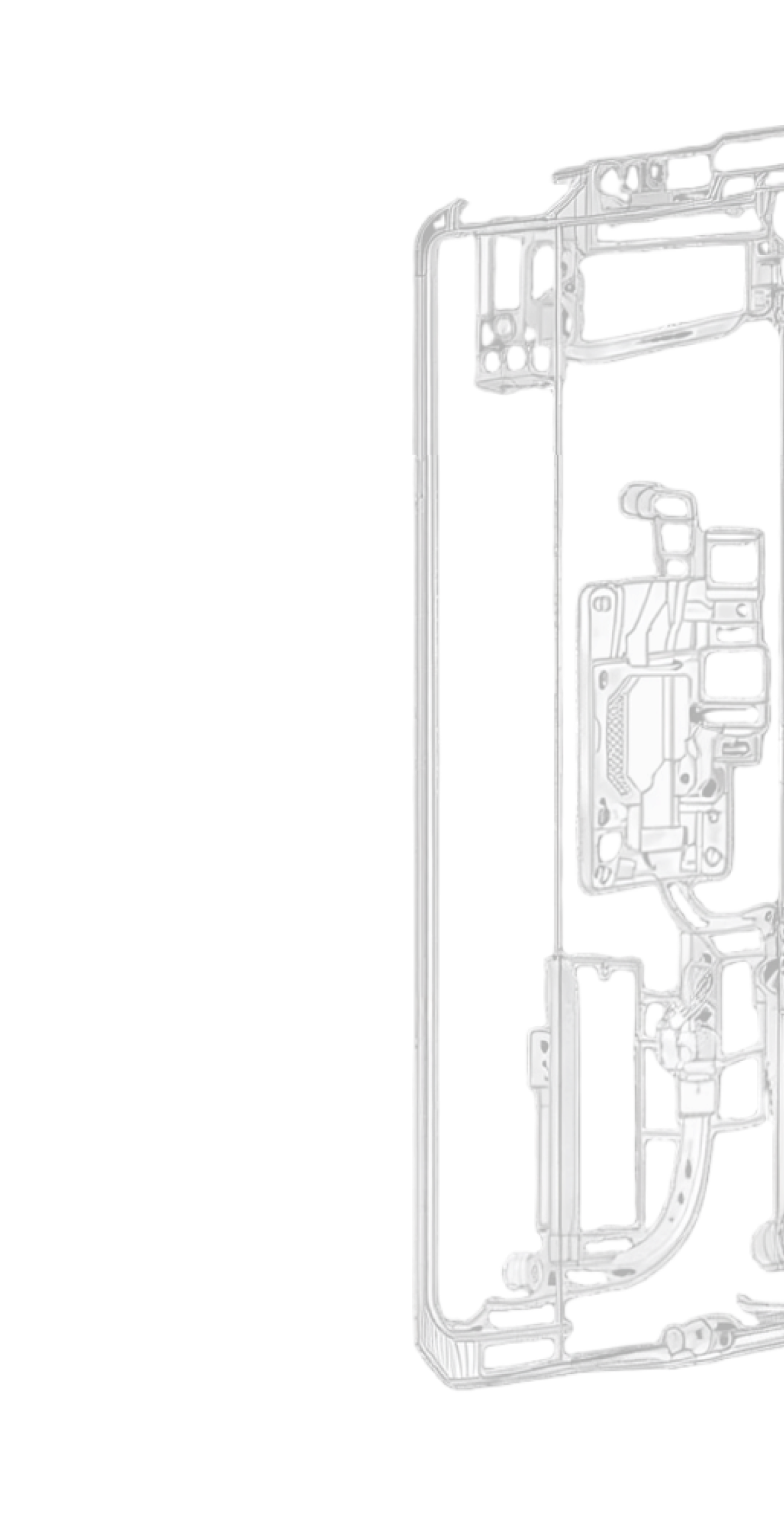
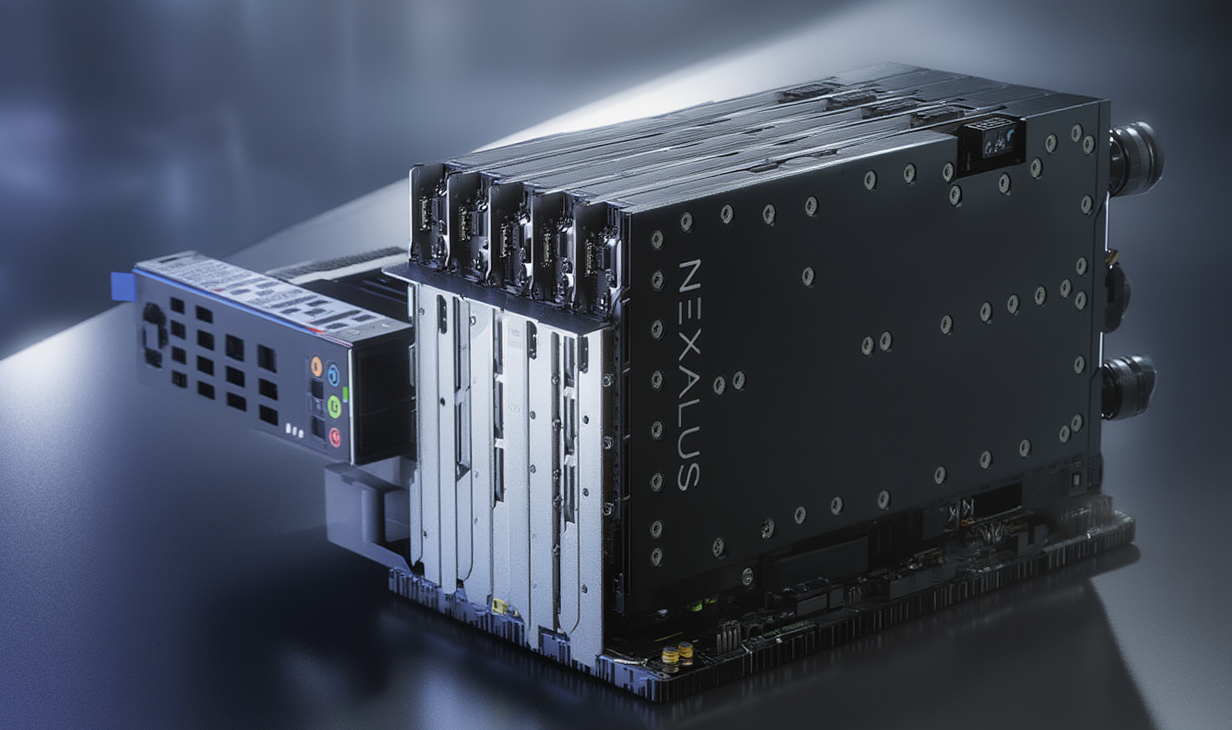
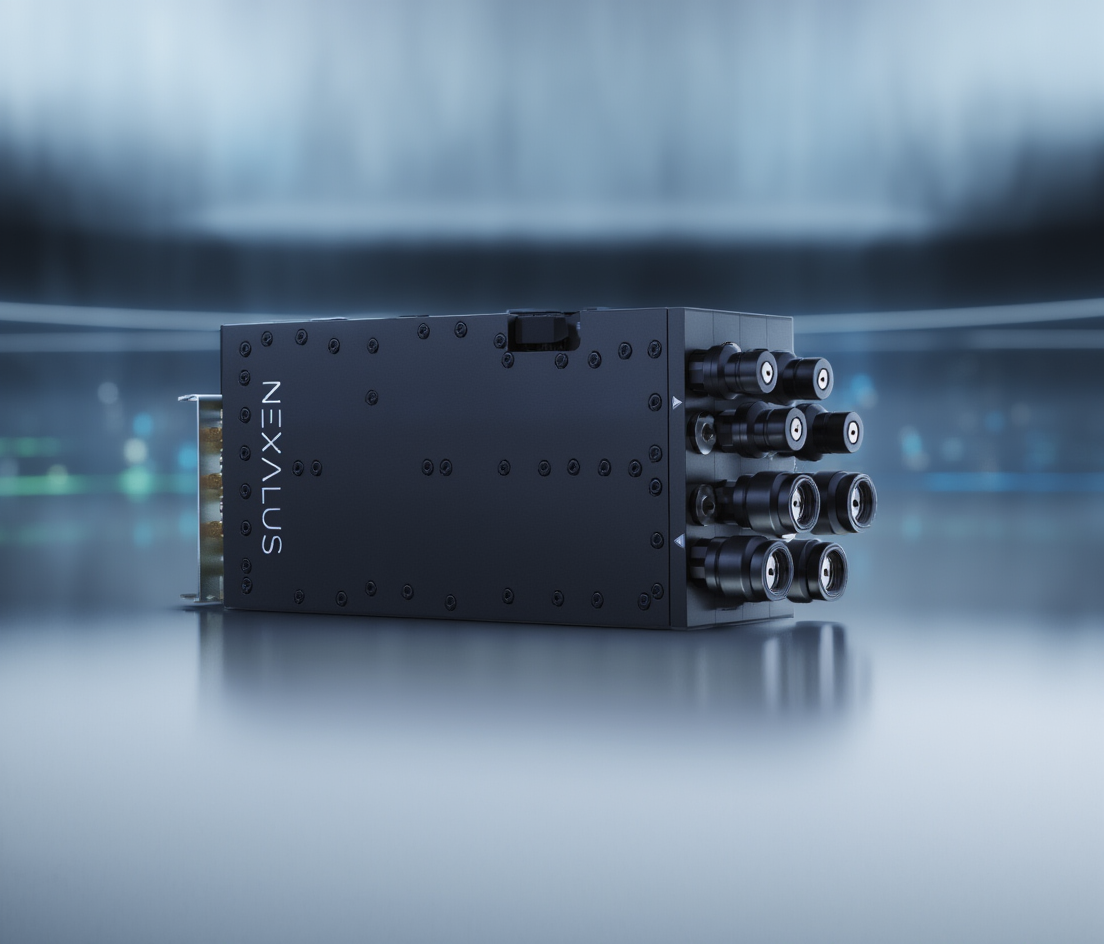
At the core of Nexalus is a patented sealed server design. Each unit is fully enclosed and independent of ambient air and room-level thermal dynamics, removing the need for hot/cold aisle containment or rack airflow management.
All primary heat-generating components, including high-power GPUs, are cooled directly via liquid interfaces. Airflow across electronics is eliminated, protecting systems from dust, salt air, and environmental contaminants.
A Thermally self-contained unit
Each server is thermally autonomous, simplifying overall data center design. Rack sealing, aisle pressurisation, and large vertical air voids are no longer required.
Thermal Management System
Nexalus uses direct-to-liquid cooling integrated at component level.
Direct-to-liquid cooling operates at component level, capturing heat immediately at source and scaling through demand-based circulation. This removes reliance on high static-pressure airflow, eliminates overcooling, and avoids imbalance, hotspots, and cascade failures from fan or CRAC faults.
By isolating cooling within the server, Nexalus reduces system-wide thermal coupling, improves predictability, and removes acoustic challenges associated with high-velocity air systems.
Energy Capture & Reuse
Heat is captured in liquid form at 50–60°C at source, ready for district heating, industrial pre-heating, agriculture, or carbon capture integration.
Unlike air-cooled systems — which disperse heat into room air and require extensive plant for recovery — or competitor liquid-cooled systems that depend on heat pumps to raise output to usable temperatures, Nexalus delivers application-ready heat directly. The closed-loop architecture simplifies reuse, rejection, and overall mechanical infrastructure.
Improving system-level reliability by:
Eliminating particulate ingress through sealed architecture.
Removing corrosion risks associated with external airflow.
Reducing moving air components inside servers.
Avoiding rack-level thermal cross-contamination.
Providing load-responsive cooling at the individual server level.
Each unit operating independently so thermal events are localised.
One server’s demand does not drive overcooling elsewhere.
Scaling does not require rebalancing of airflow infrastructure.
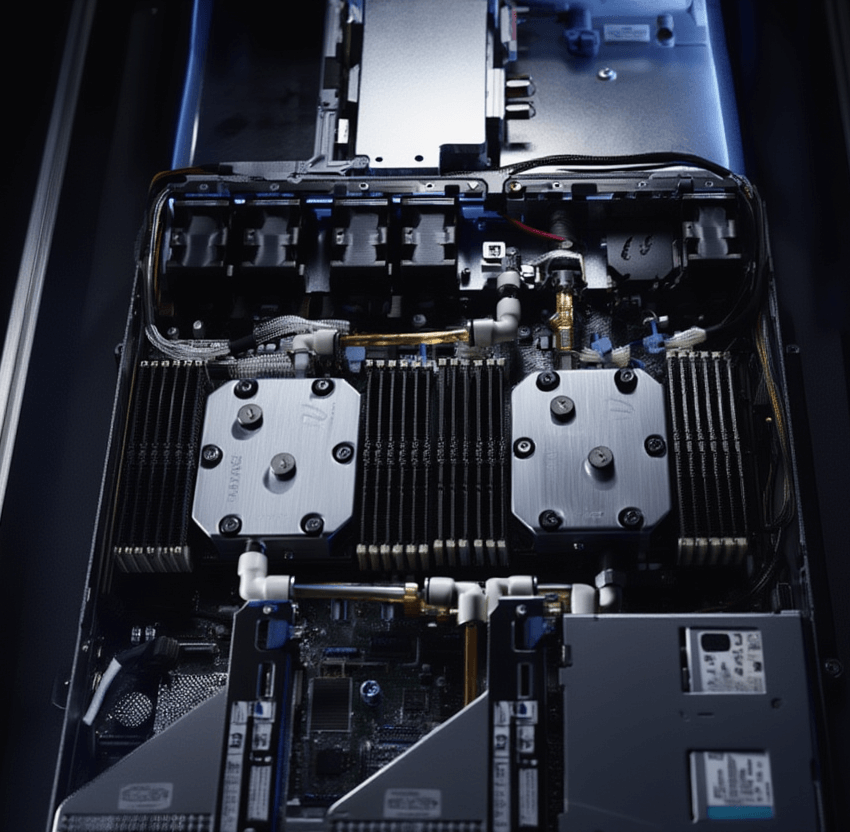
Density Capability
AI workloads are density-driven. High VRAM and multi-GPU configurations strain airflow-based systems, forcing spacing constraints and form-factor compromises.
Nexalus removes air-path limitations, enabling high GPU counts per server with single-slot liquid cooling and no airflow gaps. Rack stacking becomes geometry-independent, eliminating hot/cold aisle requirements and allowing higher density within existing building envelopes — without expanding footprint or mechanical plant.
Risk Mitigation vs Air-Cooled Infrastructure
By removing airflow as a core dependency, Nexalus simplifies architecture and improves resilience. It reduces risks from airflow imbalance, acoustic constraints, vertical height requirements, environmental contamination, and hybrid system complexity — while avoiding over-provisioned HVAC for future density growth.
Deployment & Integration
Compatible with conventional rack environments but without airflow containment, Nexalus lowers structural height and removes reliance on raised floors, overhead plenums, and sealed racks.
For greenfield sites, this reduces footprint and structural complexity. For brownfield retrofits, it enables density upgrades without rebuilding airflow infrastructure.
Enterprise-Grade Solution
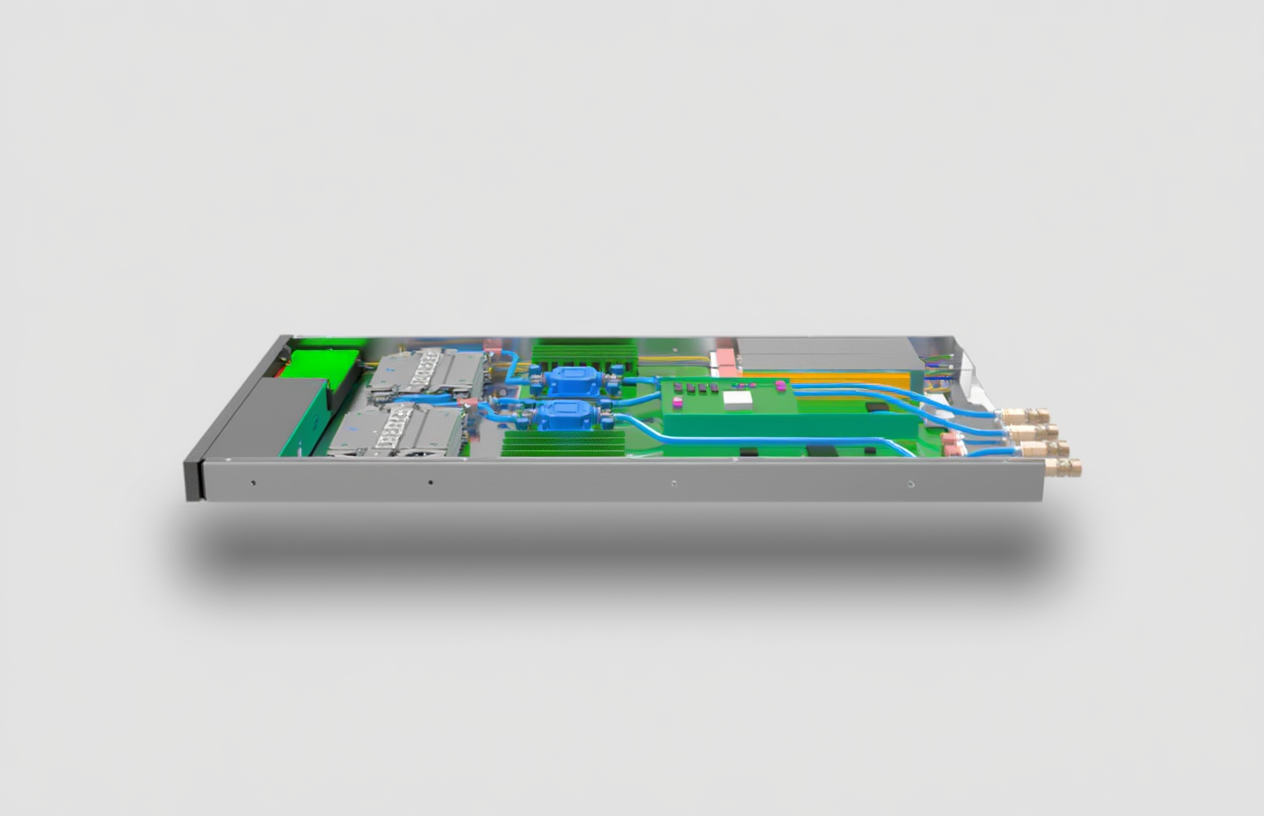
Featured White Papers
Nexalus SoloFlux our revolutionary single slot GPU cooling cold plate
White papers
Closed Loop Liquid Cooling of High Powered CPUs
White papers
Scalable Liquid Cooling Solutions for High Powered AI GPUs
White papers
Liquid jet array impingement heat transfer free and submerged
Knowledge Hub
Diamond composite coatings heat transfer performance
White papers
Thermal interface materials for electronic devices
White papers
Our Partners

Alps Alpine

Irish Manufacturing Research

Connect

Trinity College Dublin (TCD)